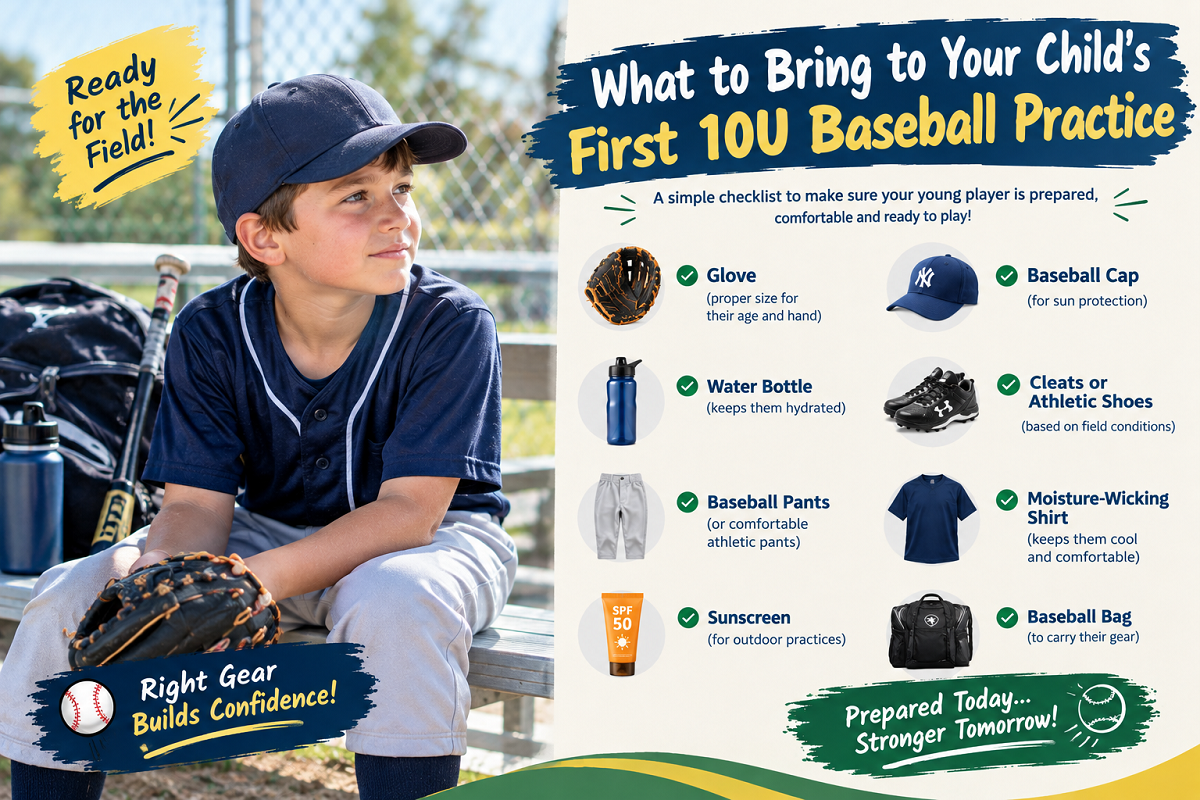
Your child’s first 10U practice is coming, and the team email probably says only “bring a glove, wear cleats.” You are left wondering about the cup, whether the bat is legal, whether jeans are okay, whether to stay and watch, and how to calm a nervous kid.
This guide answers the questions parents search for and rarely find answered. It covers what a 9 or 10 year old should wear, what goes in the bag, which gear to buy first and which to hold off on, and what to say in the car afterward.
Most “what to wear” answers say “athletic clothes.” Here is the specific version.
Layers matter more than parents expect. Spring evening practices can start at 65°F and drop to the 40s by the end.
Print this or screenshot it.
Wear
Carry
Backup
Parent
If you read nothing else, that list covers 95 percent of first practices.
Usually not. This question costs parents the most money.
First practices tend to focus on throwing, fielding, and base running. Hitting is often tee work or soft toss, and many coaches have a bag of loaner bats. Buying before you know what the league allows can mean buying a bat your child cannot use.
Bat rules differ by league:
A USSSA bat is not legal in a USABat league, and the reverse also applies. Ask the coach, or check the league website’s equipment page, before spending anything.
Most 9 and 10 year olds swing a bat between 28 and 30 inches long. Weight is where kids struggle.
Heavier is not better. A bat your child can control beats a bat that looks serious.
An alloy or one-piece bat in the $40 to $90 range is plenty for a beginner. Composite bats cost more, break in over time, and are not worth it until your child plays regularly.
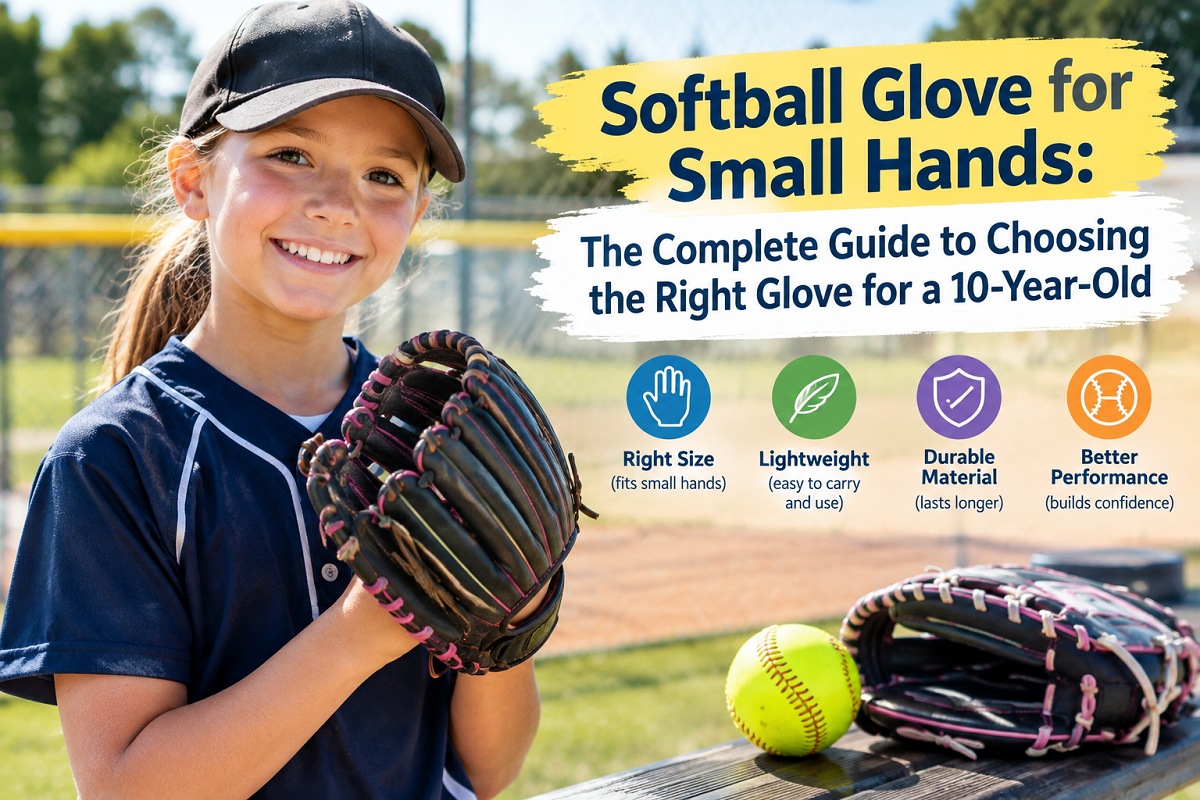
Most 9 and 10 year olds use an 11 to 11.5 inch glove. Smaller hands or first-time players can start at 10.75. Outfielders often use 11.5 to 12 inches.
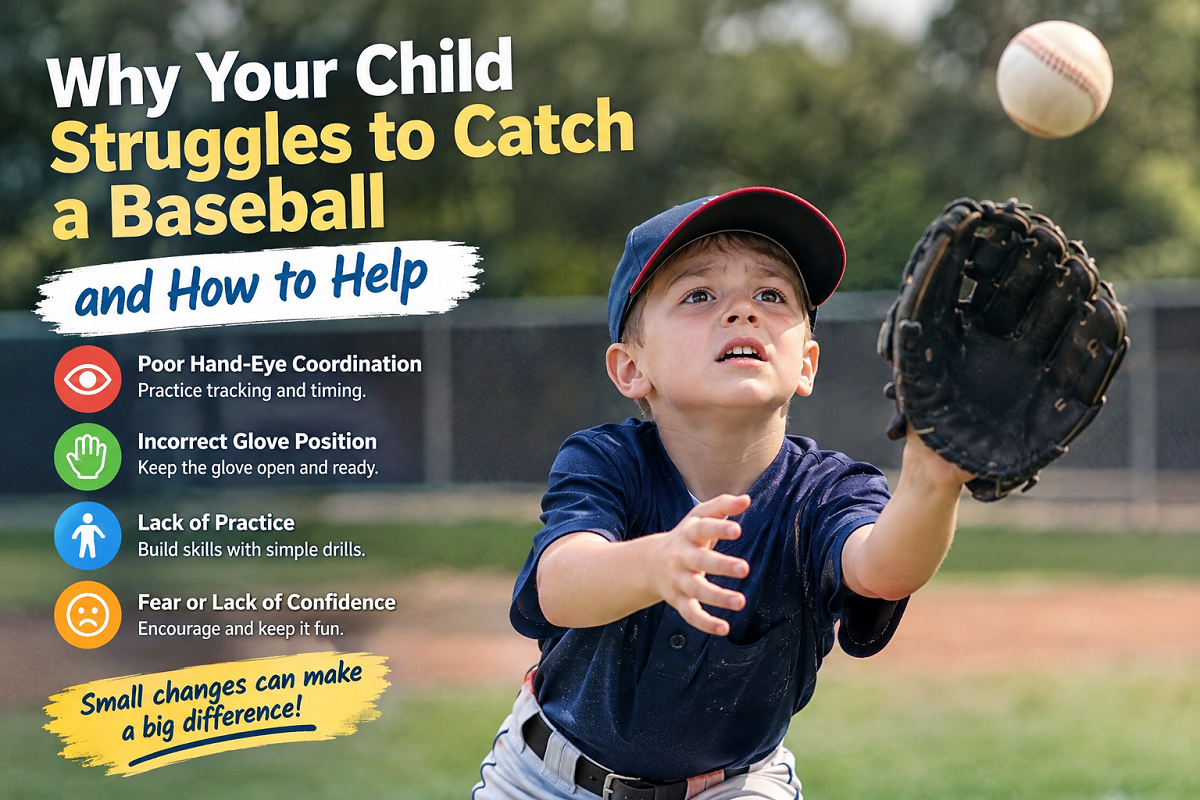
Parents often buy a bigger glove so it lasts longer. This backfires. Oversized gloves are heavier and harder to close, and ground balls pop out. Kids get frustrated and sometimes start flinching.
A glove labeled “Right-Hand Throw” goes on the left hand, and a “Left-Hand Throw” glove goes on the right. Check the label. It is a common mistake in online orders.
Many sites recommend microwaving or soaking gloves. These can dry out leather and cause cracks. A safer routine:
Youth gloves are softer than adult gloves, so most take only a few days. If you buy a new glove, start this a week before the first practice.
Most leagues for players 12 and under do not allow metal cleats. Choose molded rubber or plastic. Check the league rule if your child plays travel or in a more competitive league, since a few have different policies.
On grass or dirt, cleats provide traction and are strongly recommended. For the very first practice, athletic sneakers can work if the field is dry and the coach says it’s fine, but molded cleats are better and safer. On artificial turf or indoors, turf shoes are the right choice.
Low-cut cleats are lighter and more comfortable for most young players. At 10U, ankle stability comes mainly from proper fit and lacing, not the height of the shoe.
Short answer: yes, for boys, and always for catchers.
Nine and ten year olds are still developing coordination. They face ground balls, bad hops, thrown balls, and overthrows. A hit to the groin is painful and can cause serious injury. Coaches see it often enough to recommend a cup for every boy on the field.
Girls on a 10U baseball team often wear a pelvic protector in the same way. Many companies sell one designed for girls. If your daughter is playing, ask the coach or look for a “female pelvic protector.”
Some boys resist wearing one. You can say, “Every player in the major leagues wears one. Even the catcher who has done it for twenty years.” Let your child choose the color and brand so it feels like part of the uniform.
For ages 9 and 10, a backpack-style bag with a bat sleeve and fence hook works best. The child carries it alone, which builds responsibility. Avoid oversized equipment bags that are heavy even when empty.
Label the outside with your child’s name and phone number. In a dugout, ten bags can look the same.
Main compartment
Side pockets
Small pockets
Pack a second pair of socks and a dry shirt. After practice, wet socks cause blisters and chills, especially in cooler weather. A plastic grocery bag for dirty items keeps the rest of the bag clean.
Empty and air out the bag every few days. Damp gear in a closed bag develops odors and mold quickly. Take out wet cleats and let them dry with newspaper inside.
For a typical 60 to 90 minute practice, a 20 to 32 ounce bottle is a good start. In hot weather, bring more or plan a refill. An insulated bottle stays cold for the whole practice.
Kids often don’t drink enough on their own. Encourage sips during breaks, not just at the end.
For short, mild-weather practices, water is enough. In hot weather, long practices, or heavy sweating, an electrolyte drink can help. Avoid energy drinks, which contain caffeine and are not appropriate for kids.
Eat a balanced meal 1.5 to 2 hours before. Good choices:
If practice is right after school, a lighter snack 45 to 60 minutes beforehand works: a banana with peanut butter, yogurt, or crackers with cheese.
Avoid heavy, greasy, or very sugary foods right before practice. They can cause stomach cramps and energy crashes.
This is the most overlooked item. After an hour and a half of movement, kids are hungry and cranky. Pack a snack to eat in the car:
Check the team’s allergy policy if it shares snacks, since many teams restrict peanuts.
Sunflower seeds are baseball culture, but they cause choking risks, mess, and bans at many fields. Not worth the argument.
For most 9 and 10 year olds, yes, stay for at least the first one. Reasons:
Ask the coach whether parents are welcome to watch. Some coaches prefer parents stay off the field or even away from the fence during practice, because children focus better without an audience. Others encourage involvement.
If you stay, sit or stand back from the action and avoid coaching from the sidelines. Kids at this age are trying to listen to a new adult.
At the first practice, a short conversation helps. Ask:
A full set of new gear can reach $300 to $600. A first-time player does not need it all.
Cups and caps. Hygiene matters.
Many leagues have scholarship funds or gear banks. Ask the league director privately. They hear the question often and want kids to play.
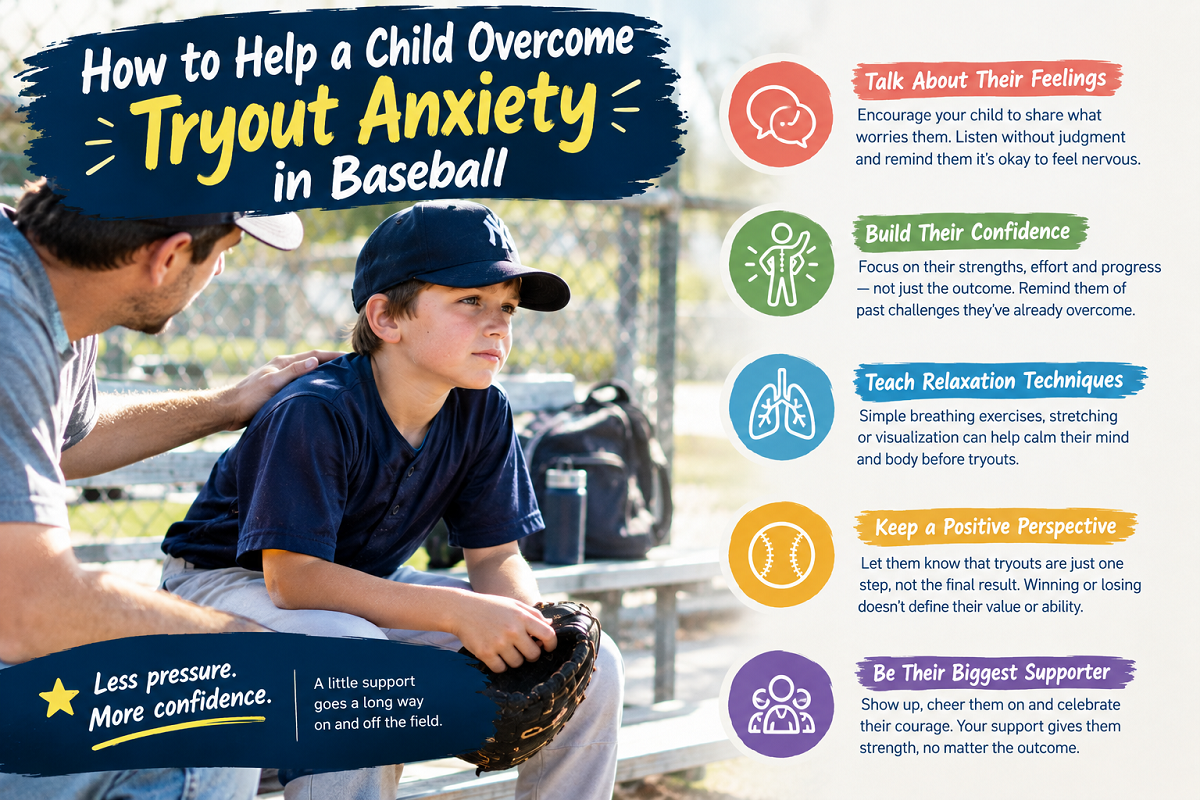
Nerves before a first practice are normal. Kids worry about being bad, not knowing anyone, or making mistakes.
Avoid giving a pep talk about performance. Better phrases:
Stay calm. Ask what feels scary. Often it is a specific worry, like not knowing anyone or not being good enough. Offer to stay nearby. Avoid forcing, but also avoid letting the first nervous day turn into a pattern of skipping. A short, supportive push usually helps.
Skip the technical review. Ask:
Praise effort: “I liked how you kept trying after that ground ball.” Kids remember encouragement more than correction.
A first practice usually runs 60 to 90 minutes.
Some coaches treat the first practice as an evaluation. Your child may throw, field, and hit in front of the group so the coach can set lineups or positions. It is not a high-stakes tryout, but kids may feel watched. Prepare them in advance.
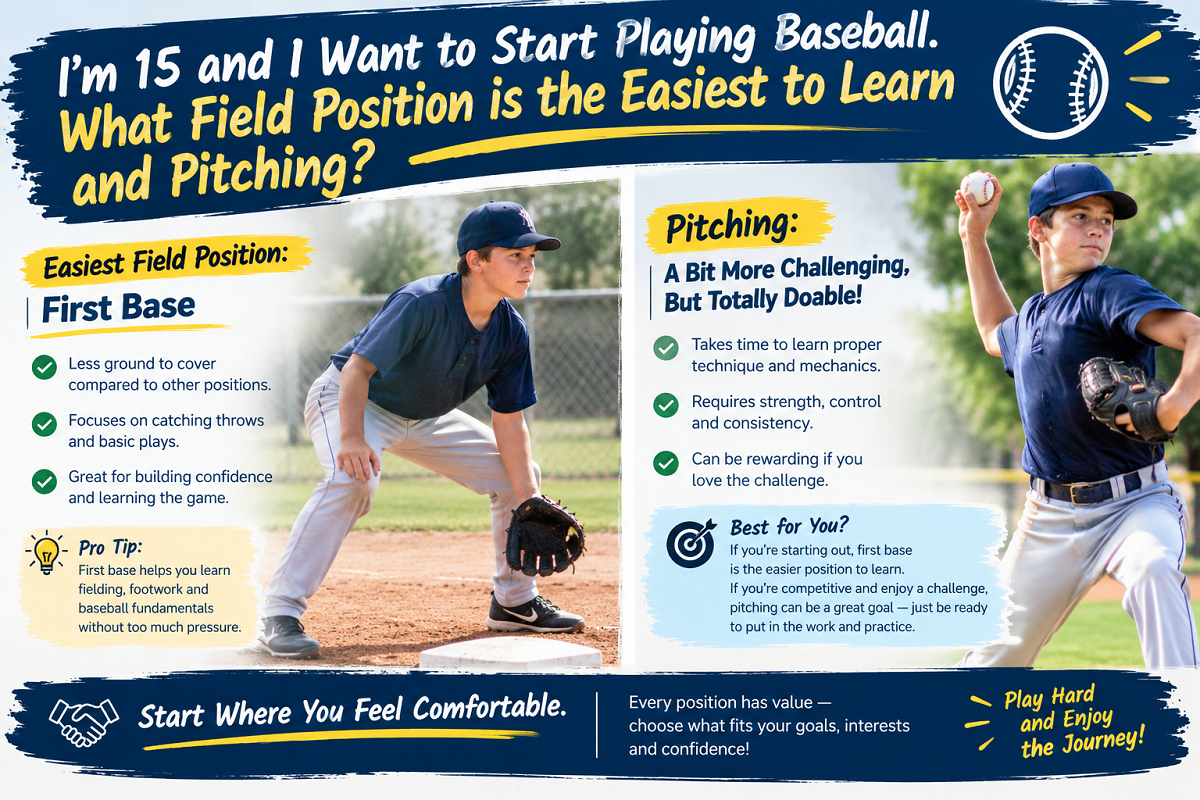
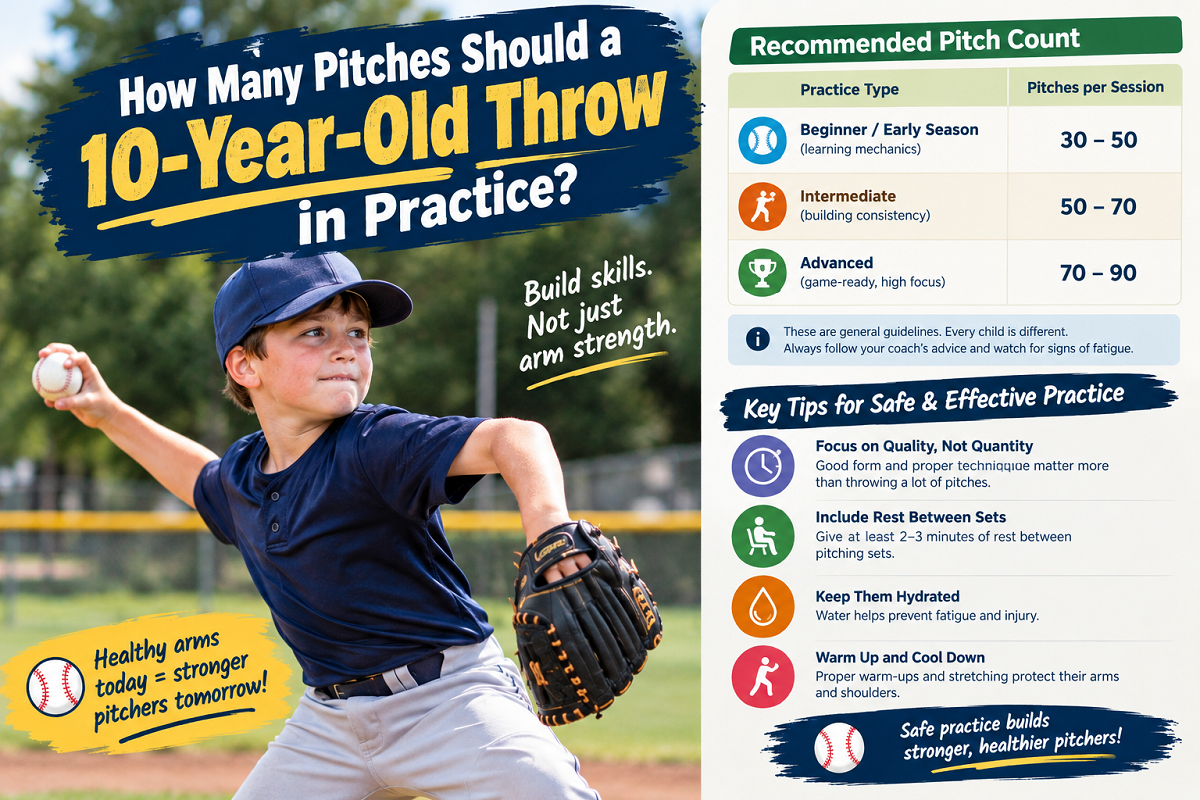
At 10U, kids often try pitching and catching. League pitch-count rules limit how much young pitchers throw. Little League, for example, sets a daily maximum for ages 9 and 10 and requires rest days based on pitch count. Check your league’s current rules. At the first practice, expect light throwing to a catcher or net. If your child’s arm hurts, they should tell the coach right away.
If your child wants to try catching, ask whether the team has a shared set. Catchers wear a helmet with mask, chest protector, leg guards, cup, and a throat guard on the mask. A full personal set costs $150 to $300, so try the team’s gear first.
Buying a bat before checking the standard. The most expensive mistake. Confirm USABat, USSSA, or wood.
Choosing an oversized glove. It makes catching harder, not easier.
Forgetting the cup. Add it to the checklist and pack it into the bag the night before.
Skipping the glove break-in. A stiff glove frustrates kids.
Wearing new cleats for the first time at practice. Blisters end a good day quickly.
Arriving at the start time. Warm-up is part of practice. Arrive early.
Overpacking. A bag stuffed with extra gear slows your child down.
Not labeling gear. Dugouts are full of identical equipment.
Coaching from the fence. Let the coach lead.
Debriefing in the car. Save the analysis. Ask about fun, not mistakes.
Ignoring hydration. Dehydrated kids tire early, even in mild weather.
A glove, molded cleats, an athletic cup, a cap, athletic pants or baseball pants, and a water bottle. Bring a bat and helmet only if the coach asks, because many teams provide them or hold off on hitting.
10U generally means players are 10 or younger, based on the league’s age cutoff date. Cutoffs differ by league, so check with yours. Some use a date like April 30 or January 1.
On a dry field, many coaches allow it for the very first practice. Molded cleats are safer and give better traction. On turf or indoors, turf shoes are best.
Gray, black, or navy pants hide dirt best. White pants are for games and stain easily. Ask the coach if the team requires a color.
No. They are optional. They help with blisters and sweat but are not required. If you buy them, choose a snug fit.
A basic kit with a glove, cleats, cup, cap, and pants typically costs $120 to $250 new. Buying used or borrowing helps lower this to $60 to $150. Add a bat and helmet if needed.
Most use a 28 to 30 inch bat. A child around 4'5" to 4'8" often fits a 29-inch bat, and 4'9" to 5'0" often fits a 30-inch bat. Use the arm test: if your child can hold the bat out level for about 10 seconds, the weight is likely fine.
Check with the coach. Many teams provide shared helmets, but personal helmets offer better fit and hygiene. Make sure it is NOCSAE certified and fits snugly.
In most youth leagues for ages 12 and under, no. Choose molded rubber or plastic cleats and confirm with your league.
Aim for 10 to 15 minutes early. This gives your child time to change shoes, meet teammates, and warm up.
A banana, granola bar, pretzels, fruit snacks, or a sandwich half. Choose something easy to digest and nut-free if the team has allergy rules. Pack a snack for after practice too.
Your child should close it with one hand, and their fingers should reach the end of the stalls. If the glove feels heavy or flops open, try a smaller size.
Yes, if the leather isn’t cracked, the laces are intact, and the pocket fits. A broken-in glove is often easier to use than a new one.
For most 9 and 10 year olds, yes. Stay for the first one, stay back from the action, and follow the coach’s preference about parent involvement.
Arrive early, introduce them to the coach, and encourage them to say hi to a teammate. Focus on effort and fun instead of performance, and ask about their favorite part afterward.
A balanced meal 1.5 to 2 hours before, such as eggs and toast, oatmeal, or a sandwich. If practice is right after school, a light snack like a banana with peanut butter 45 to 60 minutes before works.
A good first practice depends on a few things done well: a glove that fits and is broken in, molded cleats that don’t blister, a cup, a labeled bag, enough water, and a calm, early arrival. The bat, helmet, and extra gear can wait until you know the league’s rules.
Once you’ve packed the bag, the most useful thing you can do is keep the day light. Ask about the best part, not the mistakes. A kid who leaves the first practice smiling will want to come back for the second.

This post has been authored and published by one of our premium contributors, who are experts in their fields. They bring high-quality, well-researched content that adds significant value to our platform.